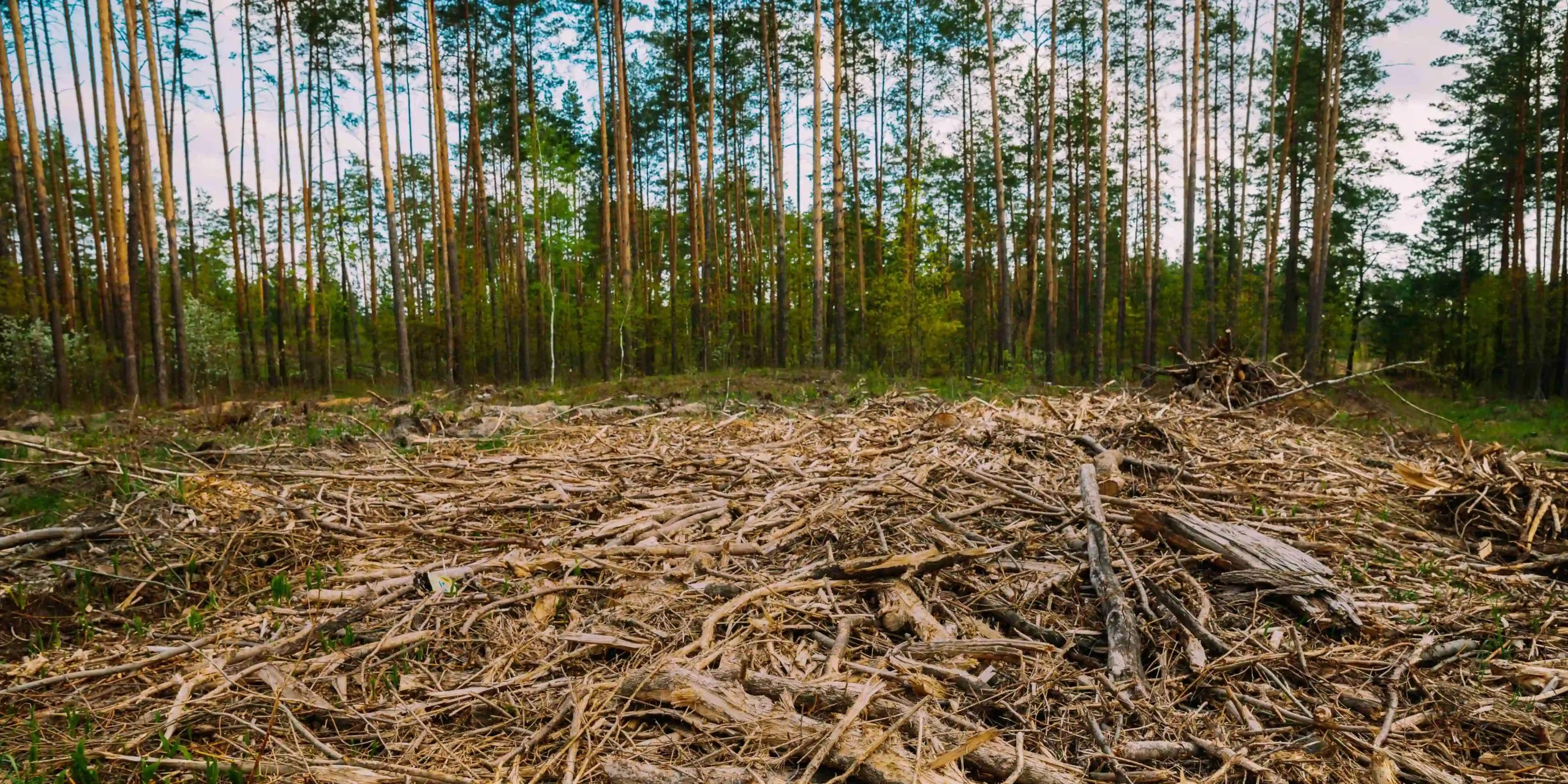
Do you own land in Minnesota with dense overgrowth, dead trees, and other obstacles that restrict the property’s usability, accessibility, and visual appeal? Professional land clearing is an excellent way to restore your lot. So, how do professional contractors handle vegetation removal?
If you’re curious about the land clearing process, consider our guide below.
Land Clearing: What You Should Know
Land clearing is the careful removal of unwanted trees, brush, boulders, rocks, structures, and other obstructions to prepare the lot for different uses. For instance, the space may be needed to build a house, expand a farm, or start a major landscaping project.
Site preparation isn’t the only reason to clear land. The service can eliminate invasive plants, diseased trees, and pest-infested plants.
It supports wildfire prevention by clearing brush, which includes dry leaves and deadwood. Contractors also use heavy machinery to help establish drainage solutions and erosion control to prevent flooding and soil displacement, respectively.
How To Clear Land for Site Preparation
So, how does land clearing work? Here are the general steps Minnesota contractors follow to ensure consistent results and compliance with local regulations.
1. Schedule a Site Assessment
The first thing land-clearing experts do before starting a project is to conduct a detailed site assessment. Through the inspection, the team can learn the following:
- The types of vegetation on the land
- The density of the vegetation
- The land’s topography
- Protected water sources, plants, and wildlife
- Access points for machinery
2. Create a Plan
Land-clearing projects can be complex and extensive, depending on the land, its location, and its condition. Advanced planning provides the framework to handle the work without exceeding the budget, harming the environment, or creating unsafe working conditions.
During the planning stage, contractors identify the large structures or trees they must remove. They also assess the soil quality and identify underground utility lines to prevent unnecessary complications.
3. Obtain Necessary Permits and Approvals
Municipalities often have regulations governing land clearing projects, so permits and approvals may be necessary. Permits help protect the environment and the public by ensuring contractors handle vegetation removal and site preparation processes safely and efficiently.
4. Demolish Existing Structures
Sometimes lots contain old, damaged, or unwanted homes, sheds, garages, and other structures. Before tree and brush clearing can begin, the contractors will demolish the structures using commercial-grade equipment, such as bulldozers. The demolition eliminates safety hazards and ensures there is enough space to remove vegetation efficiently.
5. Clear Vegetation, Trees, and Stumps
Using high-quality machines and tools, such as chainsaws, grinders, and brush mowers, the team then moves on to clearing brush, shrubs, and trees from the lot. For larger trees, contractors may use bucket trucks or climbing gear to remove the branches before breaking down the trunks. Afterward, grinders eliminate the leftover stumps.
6. Handle Debris Hauling
The land-clearing process generates a lot of organic and sometimes inorganic debris. Debris management often includes loading materials onto trucks and hauling them off-site. Contractors may also turn wood into mulch and spread it around the site to provide erosion control and additional nutrients for the remaining plants.
7. Complete Land Grading and Leveling
When the worksite is clear, the crew grades and levels the ground. This step is integral for improving drainage around the site, which prevents flooding and soil oversaturation. The leveling also prepares the land for the next step in future projects, such as laying the foundation for a home.
Environmental Considerations for Vegetation Removal
During the land-clearing process, professionals take essential steps to stabilize the soil at the worksite. Removing plants and their roots can destabilize the dirt, which increases the risk of erosion. Implementing techniques like seeding and silt fencing helps keep the soil in place.
The team also protects nearby water sources. They may establish buffer zones to prevent pollutants and sediment runoff from reaching them.
Common Land Clearing Methods
There is more than one way to clear land. Standard techniques include:
- Manual land clearing: This vegetation removal technique uses handheld tools and is ideal for small spaces.
- Controlled burning: Contractors may burn dry brush and small trees.
- Forestry mulching: Mulching is an eco-friendly method that turns vegetation into mulch left on the ground as a natural fertilizer.
- Grubbing and bulldozing: This method uses heavy machinery to clear large trees, boulders, and other oversized obstructions.
Reach Out to Lite Land Management Today for Land Clearing in Cokato, MN, and Beyond
The best way to ensure optimal results with your land clearing and site preparation project is to hire professional contractors with the experience and tools to do the job right. Lite Land Management proudly offers these services, as well as forestry mulching and invasive species removal, throughout Cokato, Minnesota, and the surrounding communities.
Our family-owned company has years of experience transforming properties while preserving their surrounding environments. Contact us online or call (763) 363-2657 to get started on your land clearing project today!
